

Somebody says “about 7 inches” and your brain just… stalls for a second. It is neither a foot nor the size of your phone. It sits in a weird in-between zone that most of us never had a reason to memorize.
This guide walks through what 7 inches actually looks like, using things you have probably touched today.
We will cover the 7 inch measurement in centimeters and feet, run through a list of real 7-inch objects, show you how to eyeball 7 inches without a ruler, and wrap up with a quick comparison chart so you can see how it stacks up against nearby sizes. No filler, no guessing games — just a practical 7-inch measurement reference you can actually use.
7 Inches at a Glance
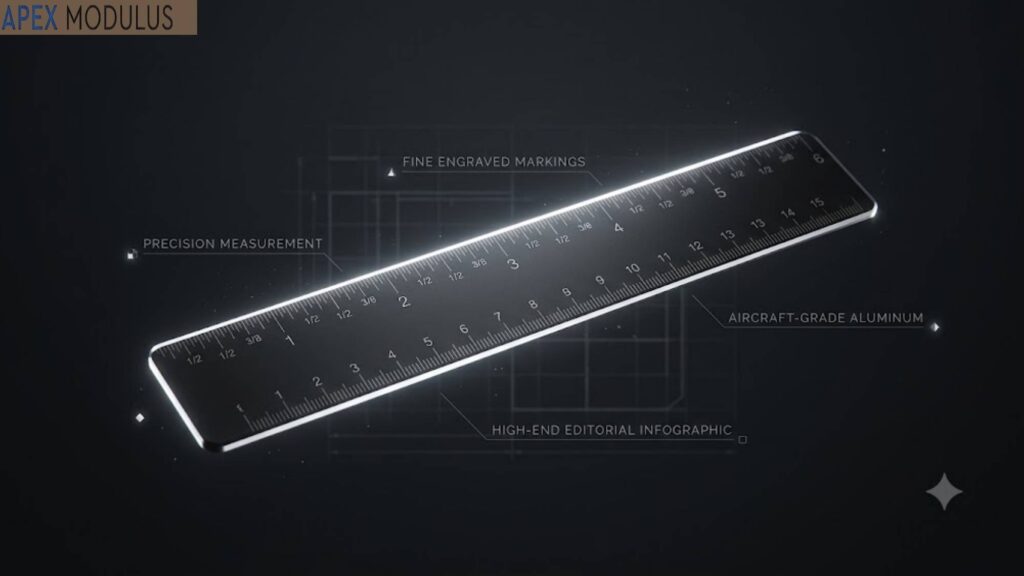
Let’s get the numbers out of the way first, since they matter more than the trivia.
| Unit | Value |
|---|---|
| Inches | 7 in |
| Centimeters | 17.78 centimeters |
| Millimeters | 177.8 mm |
| Feet | 0.583 feet |
| Yards | 0.194 yd |
So when someone asks for 7 inches in cm, the answer is 17.78 centimeters — a simple inches to centimeters conversion, since 1 inch always equals 2.54 cm. And if you are wondering about 7 inches in feet, it comes out to roughly 0.58, or a little more than half a foot.
Neither number tends to stick in your head, which is exactly why visual comparisons work so much better than a raw cm conversion.
Learn more, How Big Is 20 cm? 15 Everyday Comparisons
Why 7 Inches Is Hard to Picture
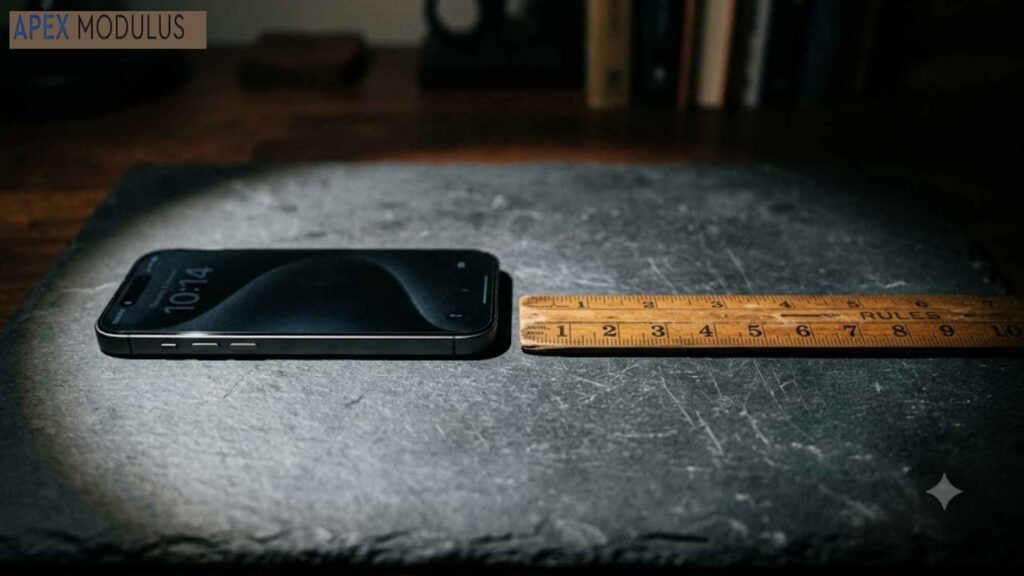
Here is the thing about seven inches: it does not map onto anything we are forced to memorize. Most people have two built-in mental rulers. One is a 12-inch ruler, because you used one in school for a decade.
The other is roughly 6 inches, because that is close to the height of a smartphone screen — you are holding a rough size reference in your pocket right now.
Seven inches falls squarely between those two anchors. It is longer than your phone but noticeably shorter than a full ruler. That gap is precisely why this 7-inch length trips people up more than, say, 6 or 12 inches would. You do not have a go-to object for it. That is the problem this article solves.
“The easiest way to understand any unfamiliar length isn’t to memorize the number — it’s to attach it to something you already own.”
That is the whole approach here: give your brain real anchors instead of abstract digits.
15 Everyday Objects That Are About 7 Inches
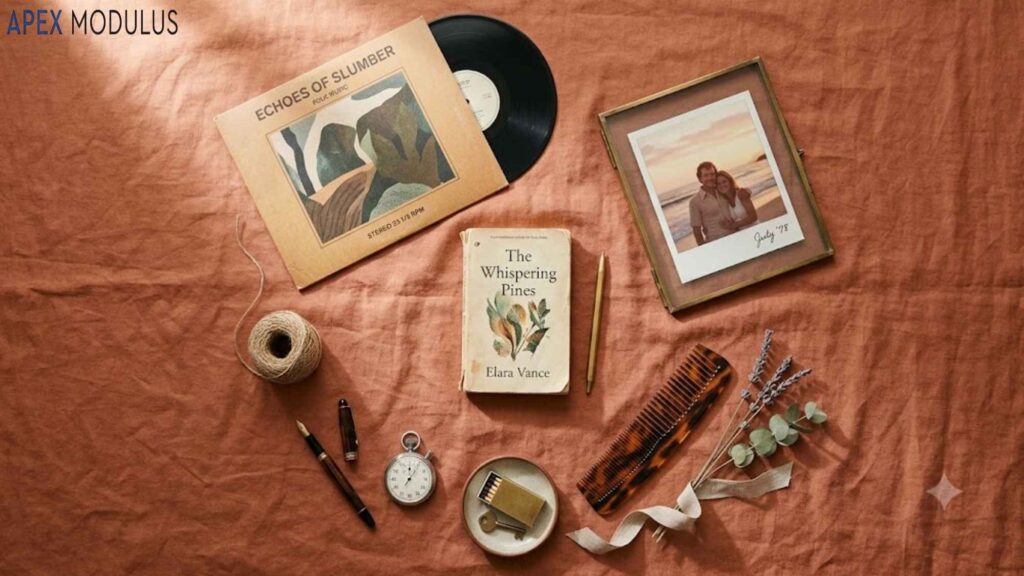
Below is a list of genuinely common 7-inch objects — the kind of everyday objects you can check against your own kitchen drawer, junk drawer, or desk right now. Each one is a practical size reference, not a guess.
7 Inches Vinyl Record

This is about as close to an exact match as you will find. A 7-inch vinyl single is, by definition, 7 inches in diameter — no rounding needed. If you or a relative has an old record collection, a 45 RPM single is your single most reliable measurement reference.
a Standard US Brick
A modular building brick in the United States measures 7⅝ inches long, 3⅝ inches wide, and 2¼ inches high. That length is close enough to 7 inches to work as a real-world stand-in, and bricks are one of the few objects almost everyone has seen up close — on a wall, a patio, or a fireplace.
A 5×7 Photo Frame

The 5×7 photo frame is one of the most universally recognized 7-inch objects out there. The long side of the frame — the one that holds the height of a portrait photo or the width of a landscape shot — measures exactly 7 inches. If you have got a picture frame on a shelf or desk, there is a decent chance it is this size.
A Salad or Dessert Plate
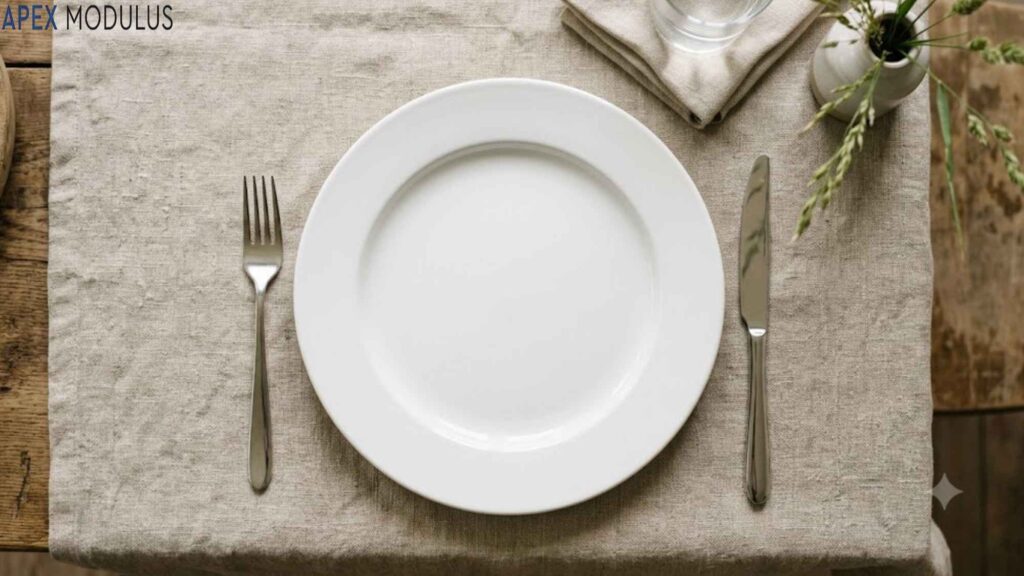
A standard salad plate (sometimes called a dessert plate) commonly runs close to 7 inches in diameter, smaller than a 10-to-11-inch dinner plate.
Plate diameter varies a bit by manufacturer, but 7 inches is one of the most frequently used sizes in dinnerware sets, right alongside 8- and 8.5-inch versions.
A Standard Adult Toothbrush
Most adult manual toothbrushes land between 7 and 8 inches in toothbrush length, according to dental sizing guides, with the shorter end of that range sitting right at 7 inches.
It is genuinely one of the best 7-inch objects for a quick check, since almost everyone has one within arm’s reach in the bathroom.
Check out, Coke Can Dimensions: The Complete Size Guide
A Small Paperback Book

Mass-market paperbacks — the compact, pocket-sized ones you would find at an airport newsstand — commonly measure close to 6.75 to 7 inches in height.
It is not a universal standard the way a photo frame is, but a small paperback book is one of the more familiar household items for this length.
A Hair Comb
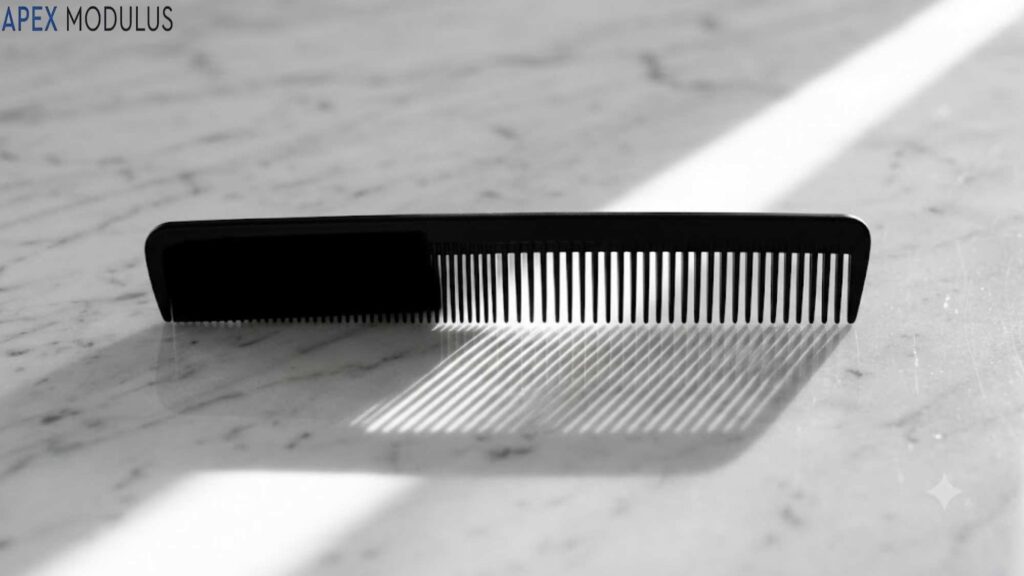
A standard flat pocket comb typically runs somewhere between 6.5 and 7.5 inches. Comb length varies by style, but a classic grooming comb sitting in a bathroom drawer is often within a few millimeters of the mark.
A Paring Knife (Handle Included)
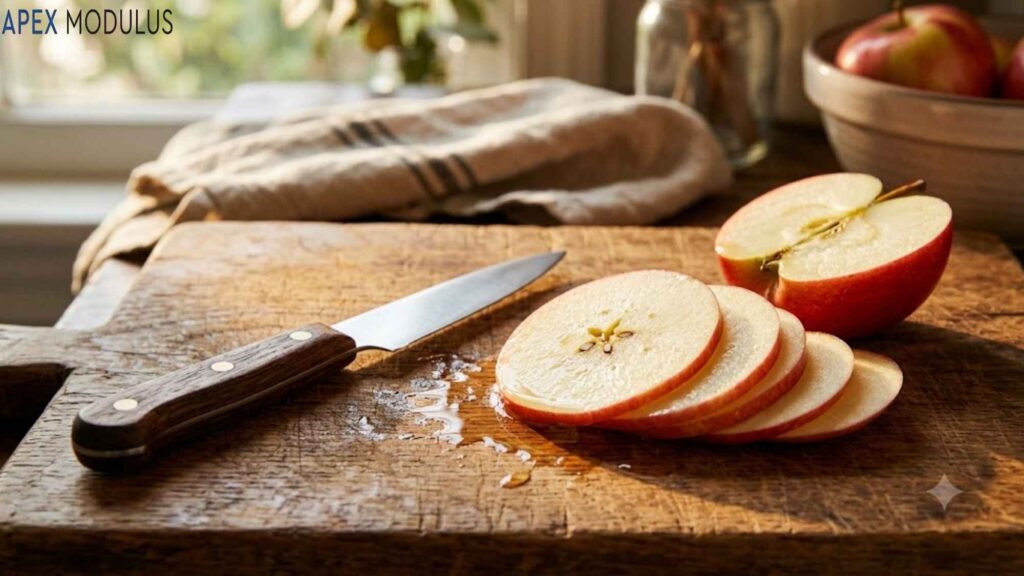
This one needs a caveat, because it is easy to get wrong. A paring knife blade alone usually measures just 3 to 4 inches. But once you add the handle, the full knife length — blade plus handle — often lands close to 7 inches overall.
If someone tells you a paring knife “is seven inches,” they almost certainly mean the whole tool, not the blade.
Related guide, How Long Is 8 Inches, A Visual Guide With 20+ Real Examples
A Dollar Bill, Plus a Thumb’s Width
US currency is a fixed 6.14 inches long. Add roughly the width of your thumb, and you are at seven inches. It is not a perfect match, but it is a genuinely useful trick since a dollar bill is one of the few objects with an exact, unchanging size.
An Unsharpened No. 2 Pencil
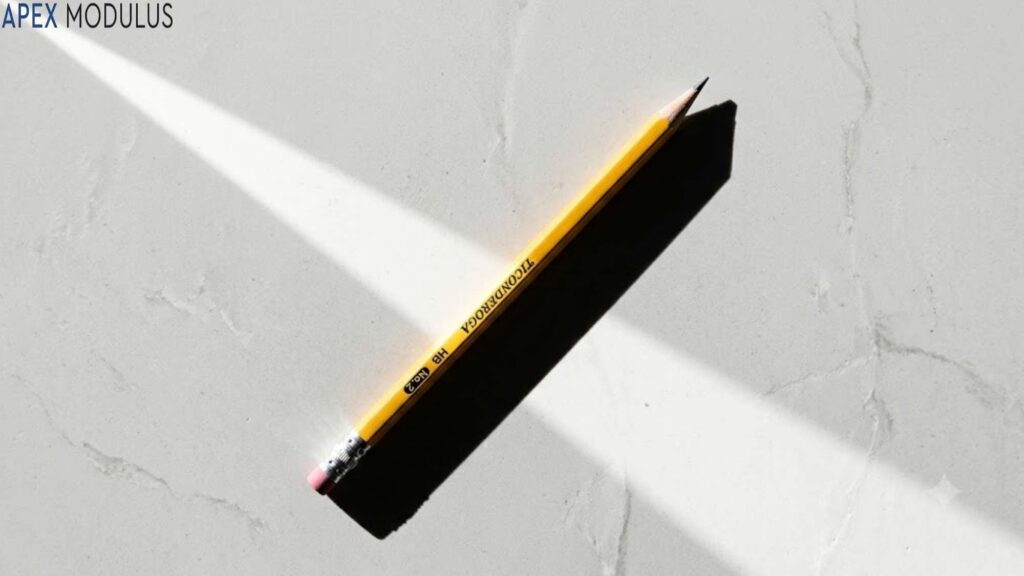
A brand-new, unsharpened pencil typically measures about 7.5 inches before its first trip through the sharpener. Once it is been used and sharpened down a bit, it often settles closer to seven inches — making a slightly-worn pencil a surprisingly accurate size guide.
Find out, How Long Is 5 Inches? 15 Everyday Objects
A Hard-Shell Eyeglass Case
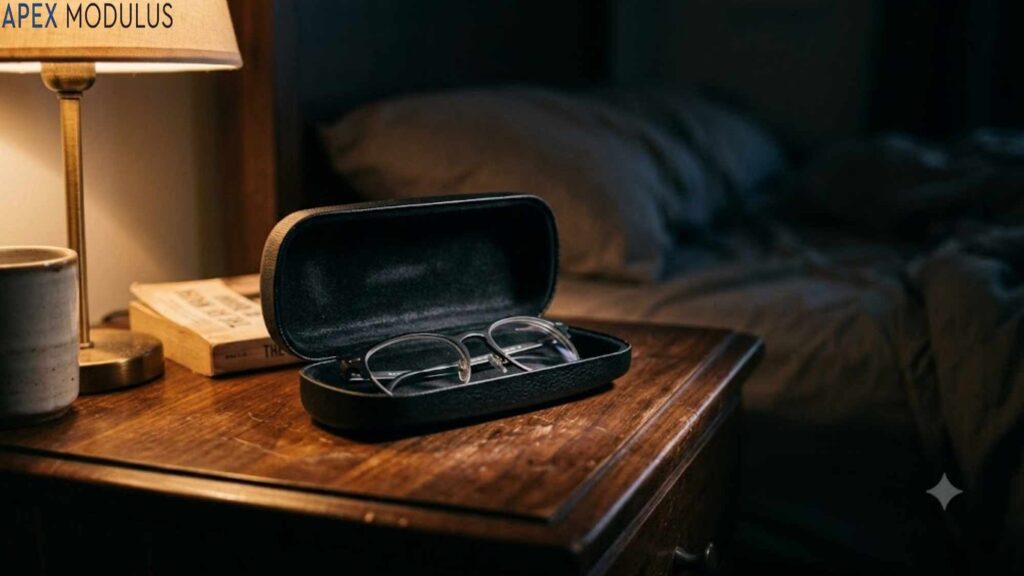
A hard shell eyeglass case for standard adult frames usually runs somewhere in the 6 to 6.5-inch range, occasionally stretching closer to seven inches for larger sunglasses cases.
It would not be exact for every brand, but it is in the right neighborhood and it is an object most people carry daily.
A Man’s Average Hand Length
Measured from the base of the wrist crease to the tip of the middle finger, the average adult male hand comes in close to 7.4 to 7.6 inches, with women’s average hand length running a bit shorter, around 6.8 inches.
It is not exact for everyone — hand size varies — but it makes for a genuinely useful hand measurement trick, covered more below.
A Standard Kitchen Chef’s Knife (Small Size)
Chef’s knives commonly come in 6-inch and 8-inch blade lengths, with 7-inch blades sitting as the “in-between” option favored by some home cooks who want more control than an 8-inch blade offers.
If you have got a mid-sized chef’s knife in the block, check the blade — there is a good chance it is exactly this.
A Mini Loaf Pan

Standard loaf pans run 8.5 or 9 inches, but the smaller “mini” loaf pans sold for single-serving banana bread or personal-sized loaves often measure close to seven inches in length. It’s a genuinely handy kitchen-drawer measurement guide if you bake.
A Folded Compact Travel Umbrella
Travel umbrella sizing varies a lot by brand — some fold down to 10 or 11 inches, but genuinely compact “mini” models fold to somewhere around 6.5 to 7 inches.
This one’s the least consistent entry on the list, so treat it as a range rather than a guarantee, but it’s worth checking if you own one.
A Wooden Chopstick — With a Caveat
Here’s an honest correction worth making, since a lot of size-comparison articles get this one wrong: a standard adult wooden chopstick actually runs closer to 8 to 9.5 inches, not 7. The only chopsticks that land near 7 inches are shorter training or children’s versions.
It’s included here because it’s a commonly searched comparison — just know that if you have got standard reusable chopsticks in your kitchen, they’re likely a full inch or two longer than 7.
How to Measure 7 Inches Without a Ruler

Sometimes you need a quick estimate and there’s no measuring tool in sight. Here’s how to eyeball a 7-inch measurement using only things you’re likely already carrying or holding.
- Dollar bill plus a thumb. A bill is 6.14 inches. Add roughly the width of your thumb at the base, and you’re at 7 inches.
- Hand span method. Stretch your hand from thumb tip to pinky tip. For most adults, that’s somewhere between 8 and 9 inches, so 7 inches is a bit short of a full stretch — closer to thumb-to-ring-finger for many people.
- Wrist-to-fingertip method. Measure from the crease of your wrist to your middle fingertip. For many adults, this lands close to 7 inches, making it one of the more reliable hand measurement shortcuts.
- Phone-screen method. Many large smartphones have a screen height (not including bezels) that runs close to 6 inches. Add roughly a fingertip’s width above the top of the screen, and you’re in 7-inch territory.
- Photo frame method. If you’ve got a 5×7 frame nearby, you already have an exact 7-inch reference — no estimating required.
One honest note: none of these tricks replace an actual tape measure. They’re for quick, casual estimates — if you need precision for a project, use a real measuring tool.
Explore this, Pokémon Card Dimensions: The Complete Size Guide
7 Inches Compared to Similar Lengths
Seeing 7 inches compared to the sizes just above and below it helps the number actually stick. Here’s a size comparison table using objects from everyday life.
| Length | Object Example |
|---|---|
| 6 inches | A large smartphone screen (height only) |
| 7 inches | A 5×7 photo frame, long side |
| 8 inches | A standard chef’s knife blade |
This kind of visual comparison matters more than the raw numbers. A jump from 6 to 7 inches doesn’t sound like much on paper, but next to real objects, it’s the difference between “fits in your palm” and “needs two hands.”
Related article, How Long Is 10 Inches? 15 Everyday Objects
Common Questions About 7 Inches
Why do so many objects land near 7 inches instead of a round number?
Usually function came first — a photo print size, a portion size — and the inch measurement just followed.
Is a “7-inch tablet” the same kind of measurement?
No. That’s a diagonal screen measurement, so the tablet itself is smaller overall than a true 7-inch object.
Can I estimate 7 inches with coins instead of a bill?
Roughly. Seven US quarters lined up edge to edge come to about 6.7 inches — close, not exact.
Does 7 inches convert to a clean metric number?
Not really. It’s 17.78 centimeters — an awkward figure, unlike some inch values that round nicely.
Why is a paring knife listed as 7 inches when the blade’s only 3-4 inches?
That figure usually includes the handle. Blade-only and full-length measurements get mixed up a lot.
Is half an inch actually noticeable at this size?
Yes — on a small object, half an inch is a big enough share of the total to visibly change how it looks.
The Bottom Line
A 7-inch length doesn’t have to stay abstract. Once you’ve matched it against a 5×7 photo frame, a salad plate, or the wrist-to-fingertip stretch of your own hand, the number stops being just digits on a screen and starts being something you can actually picture — and check — without ever picking up a tape measure.
Explore this, Monster Can Dimensions: Size Guide for Every Variant

Hi, I’m Emma Davis! As the Measurement Category Admin here at Apex Modulus, I oversee our standards, data integrity, and category guidelines to make sure everything stays accurate and seamlessly organized. Whether you need help navigating measurement specs or have questions about category standards, I’m here to keep things running smoothly.