

You’ve probably squinted at a spec sheet or a jewelry listing and wondered, “Wait, how big is that, really?” A 2mm measurement sounds abstract until you hold something that size in your hand. This guide breaks down exactly what 2mm in size looks like, using real-life examples you already have lying around the house.
By the end, you won’t just know the number. You’ll be able to picture it instantly, without reaching for a ruler.
What Exactly Is 2mm?
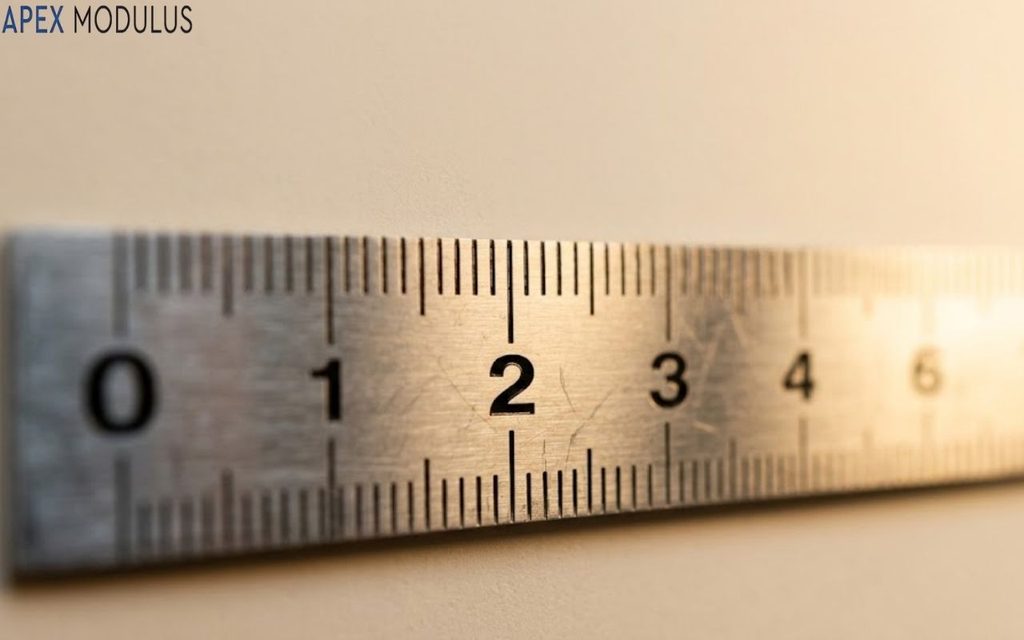
Two millimeters equals 0.2 centimeters, or roughly 0.0787 inches. That’s a strange, non-round fraction, which is exactly why so many people struggle to visualize it. On a standard imperial tape measure, it lands just past the 5/64-inch mark, a spot most rulers don’t even label.
Here’s a quick way to frame it: a 2mm size sits right at the edge of what your naked eye can judge accurately. Anything smaller starts to blur together. Anything larger becomes easy to estimate. That in-between zone is exactly where 2mm lives, which is why tiny measurements like this one trip people up so often.
Learn more, How Long Is 100 Feet? 15 Real-World Comparisons
2mm Measurement Units, Side by Side
| Unit | Value |
|---|---|
| Millimeters | 2 mm |
| Centimeters | 0.2 cm |
| Inches (decimal) | 0.0787 in |
| Inches (fraction) | ~5/64 in |
| Micrometers | 2,000 µm |
Keep this table handy. Whenever you’re converting between metric and imperial for a small part or a piercing size, these numbers save you a Google search.
See also, How Long Is 300 Feet? 10 Real-World Things
12 Everyday Objects That Are Actually 2mm
Forget vague comparisons. These are everyday objects you can verify yourself, right now, without a lab or a fancy tool.
1. U.S. Nickel Coin
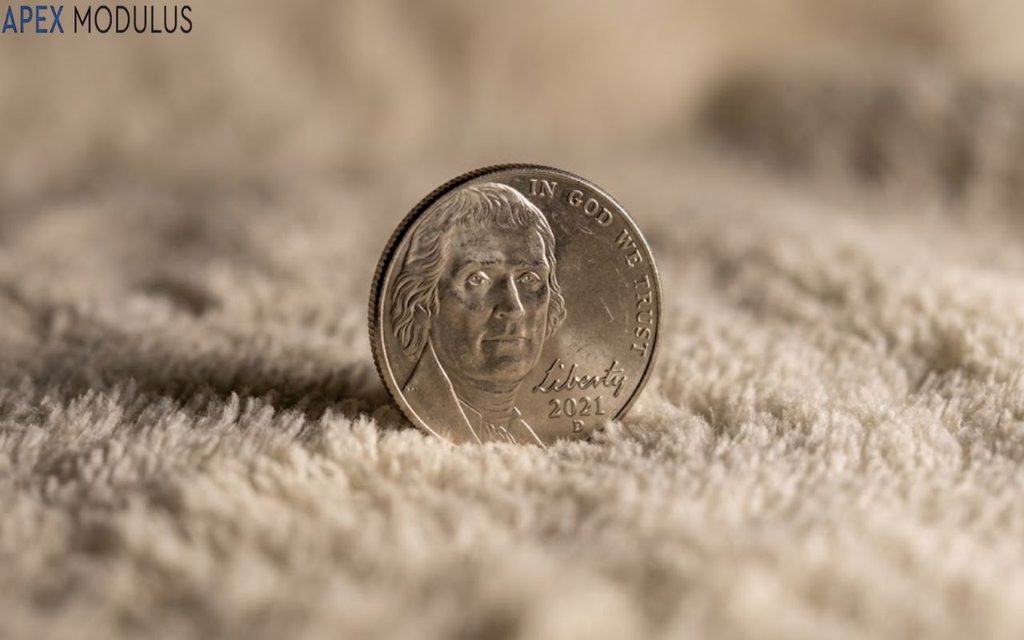
A nickel measures 1.95mm thick, close enough to serve as your go-to physical reference. Stack one on a table, and you’re looking at 2mm.
2. Dry Spaghetti Strand
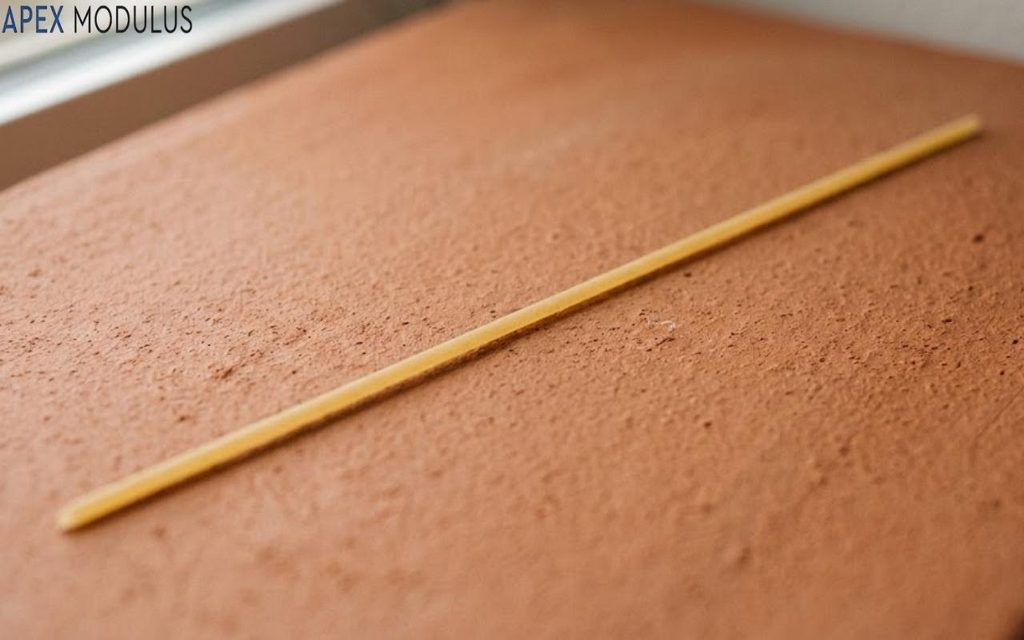
Uncooked spaghetti runs 1.7mm to 2mm in diameter. Grab a strand from the pantry and you’ve got an instant visual.
3. M2 Screw
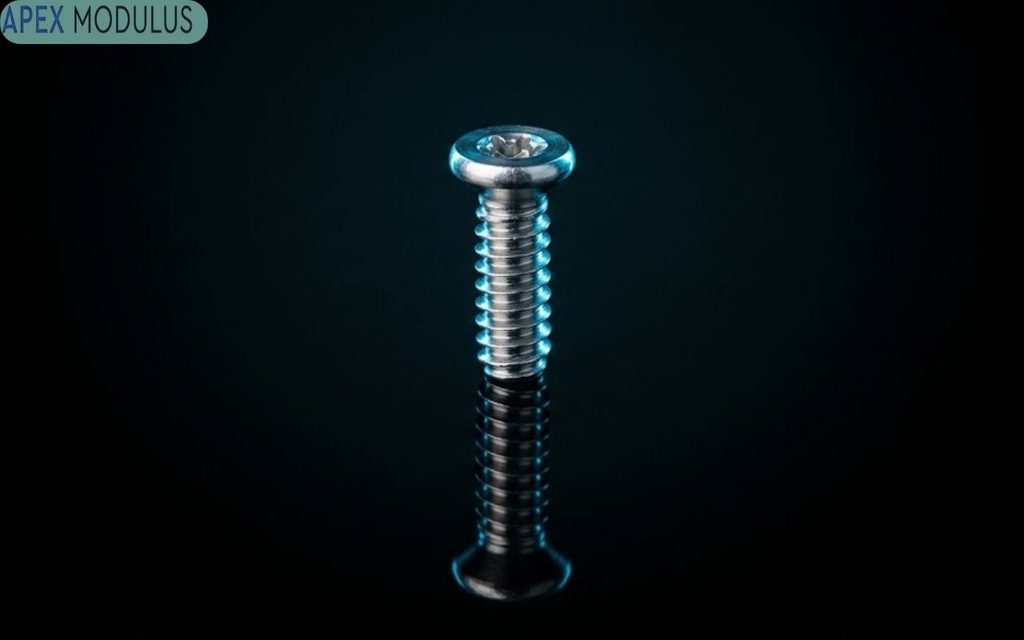
In hardware terminology, “M2” literally means a metric screw with a 2mm thread diameter. If you’ve ever repaired a laptop hinge or eyeglass frame, you’ve handled one of these small screws already.
4. 12-Gauge Body Jewelry
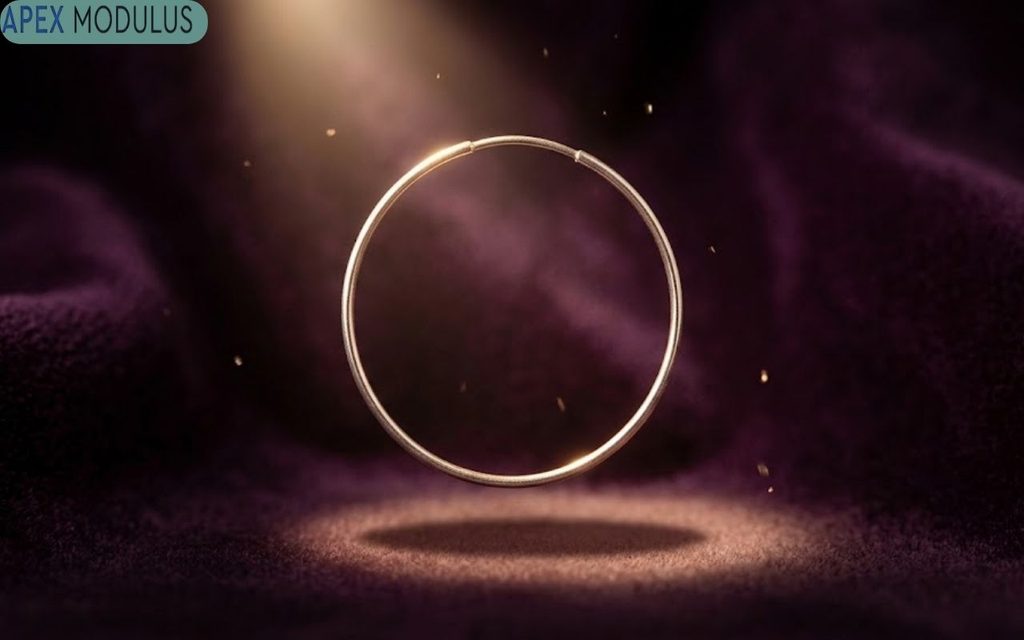
In the piercing world, 12 gauge translates to roughly 2.05mm. It’s one of the most reliable size references if you’re shopping for a jewelry bead or a replacement stud.
5. Thick Clutch Pencil Lead
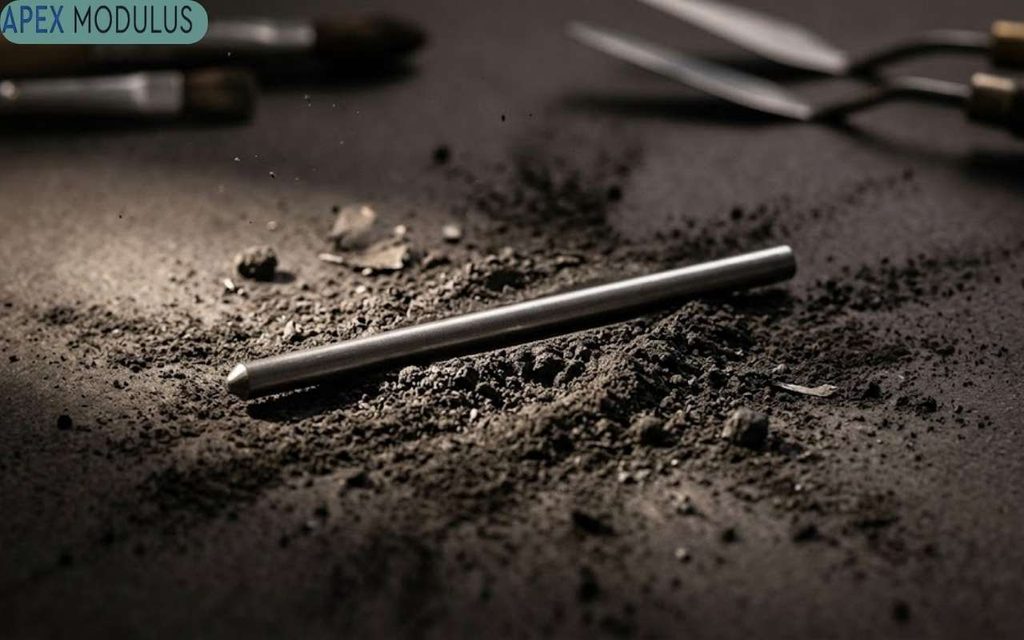
Standard No. 2 pencils use 0.5mm to 0.7mm graphite, but artist clutch pencils use a much thicker mechanical pencil lead, often exactly 2mm. That’s the pencil lead draftsmen and sketch artists prefer for shading.
6. Sharpened Pencil Tip
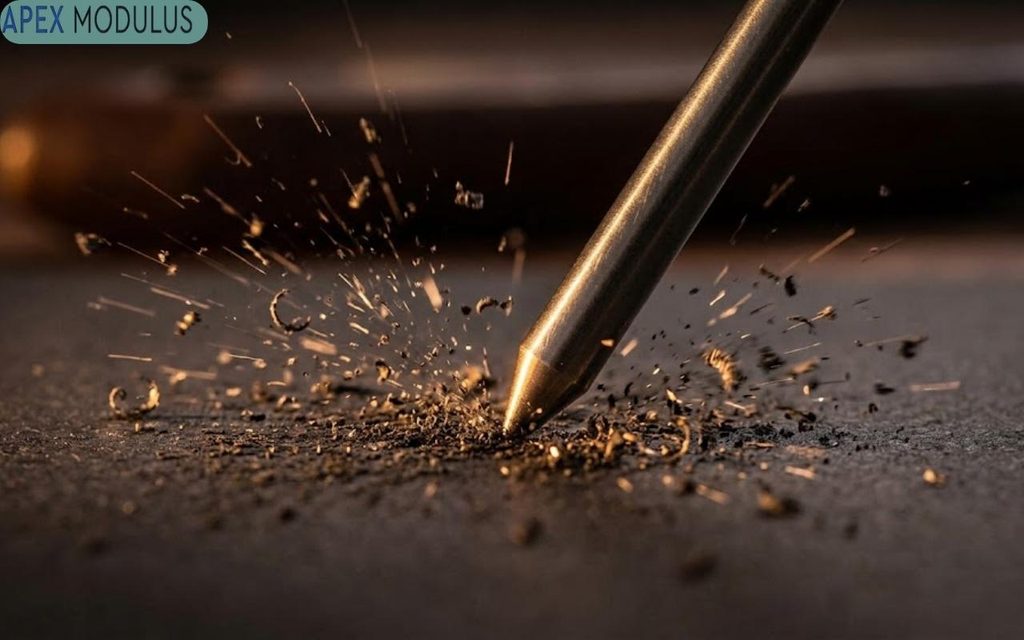
When that thick lead gets sharpened down, the exposed pencil tip narrows to close to 2mm at its widest point before the taper begins.
7. Wooden Matchstick Shaft

A standard matchstick measures about 2mm square, which makes it a handy, disposable measuring aid.
8. Ceramic Tile Spacer
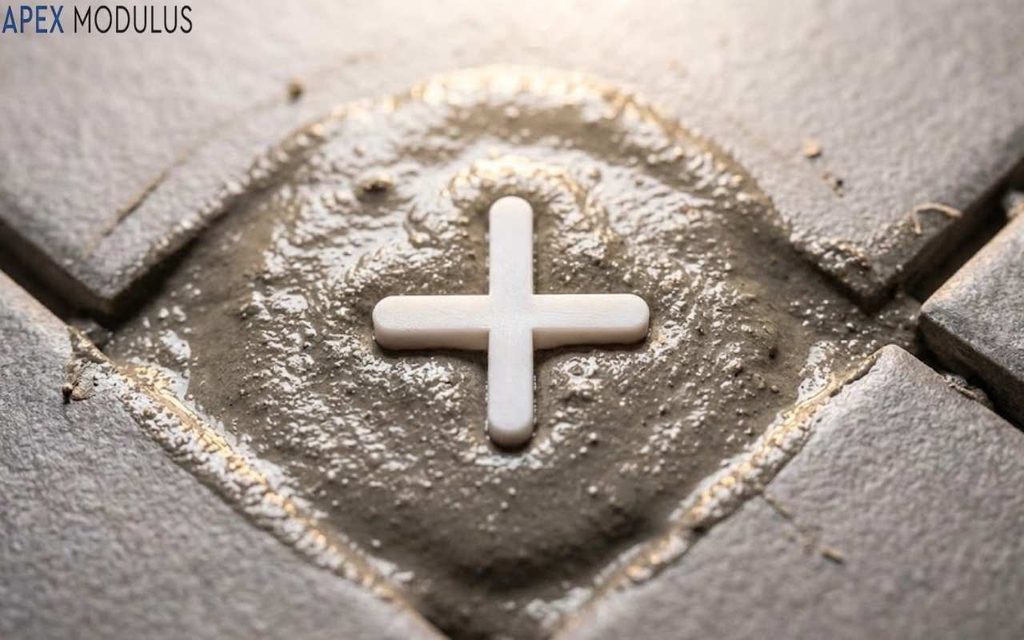
Contractors use plastic ceramic tile spacer pieces in 2mm, 2.5mm, and 3mm sizes to keep grout lines even. The 2mm version is one of the most common sizes sold in hardware stores.
9. Zipper Tooth
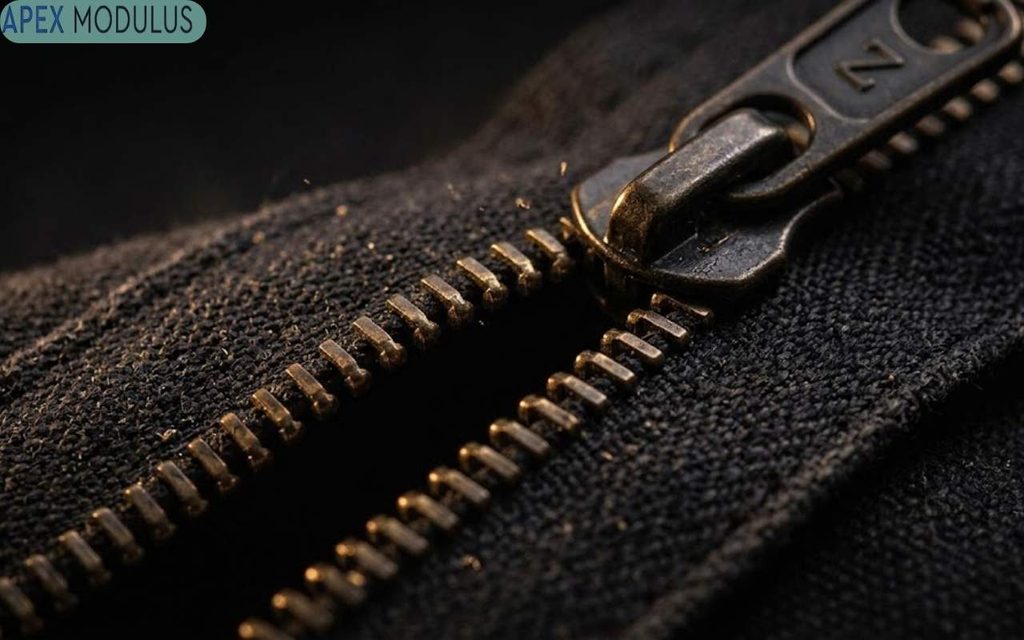
On many jackets and bags, each individual zipper tooth measures close to 2mm across, small enough to go unnoticed until one breaks.
10. Small Black Ant

A common small black ant measures roughly 2mm to 3mm in body length, a surprisingly accurate living reference.
11. Mustard Seed

This tiny yellow seed measures close to 2mm in diameter, a reference used in everything from cooking measurements to biblical parables about small beginnings.
12. Craft Wire
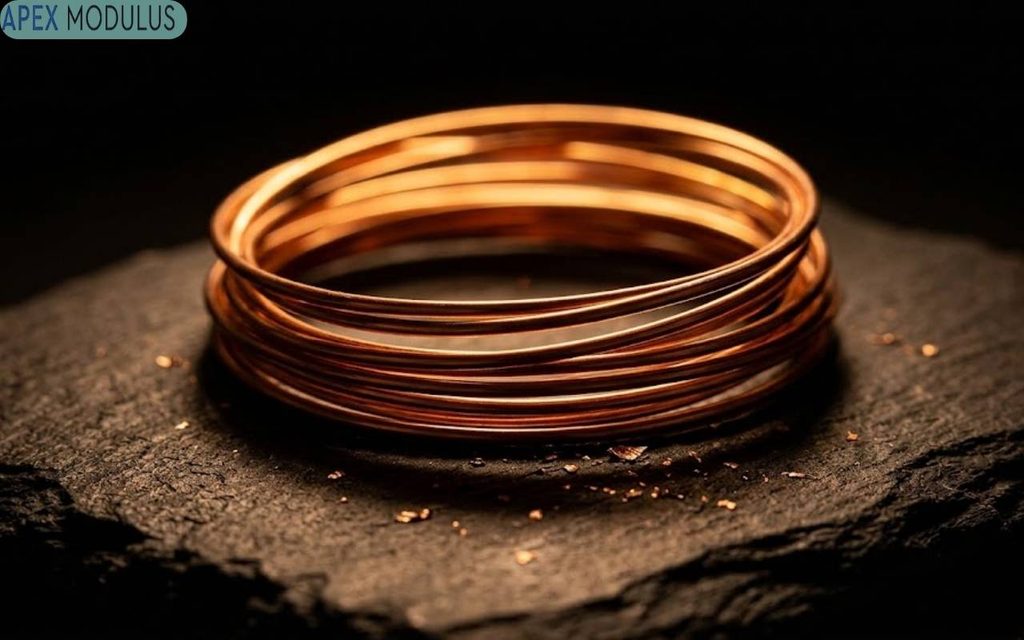
Jewelry makers working with thin craft wire often use 12-gauge to 14-gauge wire, which lands right around 2mm thick, thick enough to hold its shape in wire-wrapped pendants.
“Small measurements don’t stay small once you understand where they show up.” That’s the real lesson buried in this list: 2mm isn’t some obscure lab figure. It’s baked into your pantry, your toolbox, and your jewelry box.
Explore, How Long Is 2 Inches? 15 Everyday Objects
2mm Comparison: How It Stacks Up Against Similar Sizes
People mix up 2mm with other measurements more often than you’d think. Here’s a fast 2mm comparison to clear up the confusion.
- 2mm vs. 2cm — These look similar written down, but 2cm is ten times larger. Mixing them up on an order form can turn a tiny bead into a chunky one.
- 2mm vs. 3mm — In screw sizing or drone parts, this 1mm gap is the difference between a snug fit and a stripped hole.
- 2mm vs. 1/16 inch — 1/16 inch equals about 1.59mm, so 2mm is noticeably thicker, even though both sound “small” in casual conversation.
Where 2mm Precision Actually Matters
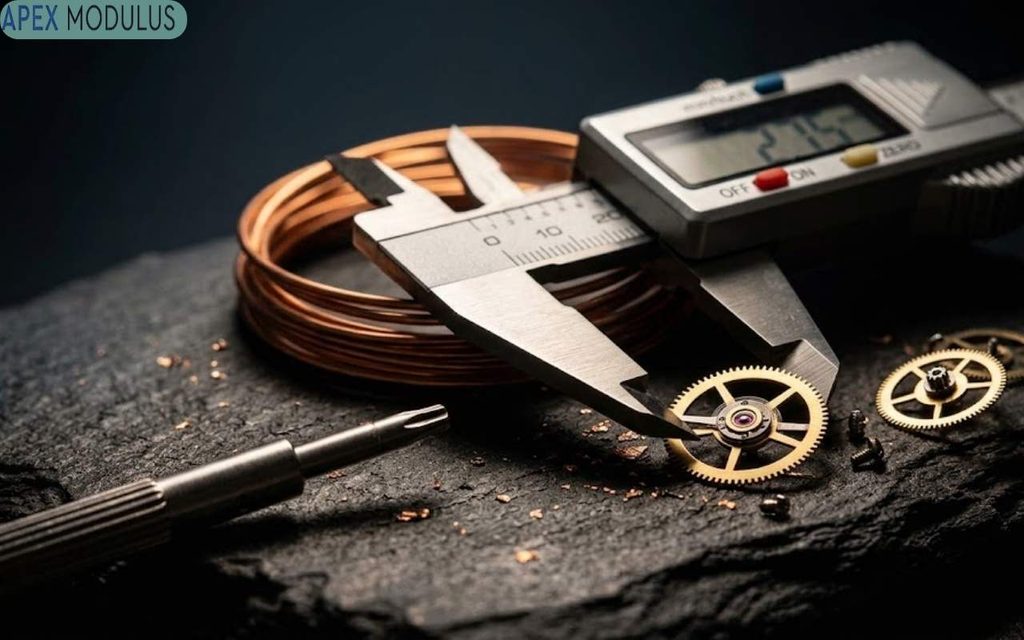
You might assume a millimeter here or there doesn’t count for much. In several fields, it counts for everything.
Electronics and 3D printing: A 2 millimeter wall thickness is a common baseline for sturdy 3D-printed parts. Go thinner, and the piece cracks under stress. In circuit board design, 2 millimeter often defines the clearance needed between components to prevent short circuits.
Jewelry and body piercings: As mentioned above, 12-gauge jewelry sits at roughly 2 millimeter. Buyers who don’t know their gauge size often order the wrong stud entirely, only to find it too loose or too tight.
Construction: That ceramic tile spacer isn’t decorative. A 2 millimeter gap allows for natural expansion and contraction in tile flooring, preventing cracks over time.
Watchmaking: In high-end horology, thinness is a badge of honor. Some ultra-thin watch movements measure under 2 millimeter in total thickness, a genuine feat of miniature engineering.
Medicine: Certain biopsy needles and micro-surgical tools operate in the 2mm range specifically to limit tissue damage during procedures.
How to Measure 2mm Without a Ruler
Don’t have a metric ruler on hand? You’ve got options.
- Use a nickel. Since it measures 1.95mm, stacking one gives you a close, reliable stand-in.
- Grab two stacked credit cards. Standard cards run about 0.76mm each, so two together land near 1.5mm, slightly under 2mm but useful for rough comparisons.
- Reach for dry spaghetti. A single strand gets you shockingly close, and it’s probably in your kitchen right now.
If you need actual precision rather than a rough estimate, none of these tricks replace real tools. That’s where digital calipers come in. A basic set costs around $20 and measures down to 0.01mm accuracy, far tighter than anything a household ruler can manage.
For hobbyists working in 3D printing, jewelry making, or electronics, this small investment pays for itself the first time a “close enough” measurement causes a part to fail.
Common Mistakes About 2mm Measurements
Assuming ruler ticks are precise enough for small work. Most consumer rulers round to the nearest millimeter or even half-centimeter. For anything requiring true precision, that margin of error matters.
Confusing metric and imperial mid-project. Switching between a metric ruler and an imperial tape measure halfway through a build is one of the most common sources of measurement disasters, and 2mm-scale parts amplify the mistake instantly.
Ignoring material expansion. A wooden or plastic ruler left in a hot garage or humid workshop can swell slightly. It sounds minor, but at the 2mm scale, even a fraction of a millimeter of swelling throws off your reading. Machinists stick with steel tools for exactly this reason.
Check out, Monster Can Dimensions: Size Guide for Every Variant
FAQs About 2 millimeter
Here are some frequently asked questions about 2 millimeter :
1. Why do so many specs land on 2mm instead of a rounder number like 2.5mm or 3mm?
Manufacturers often size parts around a functional minimum rather than a tidy figure. A 2mm wall, thread, or gap is frequently the smallest dimension that still holds up under stress, so the number reflects an engineering limit, not a design preference.
2. Can I estimate 2mm using just my fingers, with no object as a reference?
Not reliably. The average fingertip is roughly 15mm to 20mm wide, far too blunt an instrument for something this small. You’ll get much closer using a thin object, like a strand of spaghetti or a coin edge, than trying to eyeball a gap between two fingers.
3. Does temperature actually change a 2mm measurement in the real world?
Barely, at that scale. A steel part expands by only a few thousandths of a millimeter across a 2mm span, even with a large temperature swing. The bigger risk isn’t the 2mm feature itself, it’s the ruler or caliper measuring it, since a warped plastic tool can throw off a reading far more than the material being measured ever would.
4. How noticeable is a 2mm gap compared to what the human eye can detect?
The eye can typically resolve gaps down to around 0.1mm at close reading distance, meaning 2mm is roughly twenty times larger than your visual detection limit. That’s why 2mm reads as a clear, obvious gap rather than a blur, even without magnification.
5. If a project calls for several 2mm parts, do small errors add up?
Yes, and this catches people off guard. A measurement that’s off by just 0.1mm per part barely registers on its own, but stack ten of those parts in a row and you’re suddenly a full millimeter out of alignment, enough to visibly throw off a finished build.
Final Thoughts
Once you know where to look, 2 millimeter stops being an abstract number and starts showing up everywhere: in your pocket change, your pantry, your toolbox, even crawling across your kitchen counter.
Whether you’re sizing a piercing, spacing tile, or picking the right screw for a repair, these real-life examples give you a fast, reliable mental ruler you can carry with you, no tools required.
Helpful guide, How Long Is 10 Inches? 15 Everyday Objects

Hi, I’m Emma Davis! As the Measurement Category Admin here at Apex Modulus, I oversee our standards, data integrity, and category guidelines to make sure everything stays accurate and seamlessly organized. Whether you need help navigating measurement specs or have questions about category standards, I’m here to keep things running smoothly.